Top 10 Best Places for RV Boondocking in the U.S.
RV boondocking, also known as dry camping, is the practice of camping in an RV without hookups to water, electricity, or sewer services. This form of camping allows adventurers to explore remote and pristine locations, often far from the hustle and bustle of traditional campgrounds. For those who love the freedom of the open road and the serenity of nature, boondocking offers an unparalleled experience. In this article, we’ll explore the top 10 best places for RV boondocking in the United States, each offering unique landscapes, breathtaking views, and the opportunity to connect with the great outdoors.
1. Bureau of Land Management (BLM) Lands, Arizona
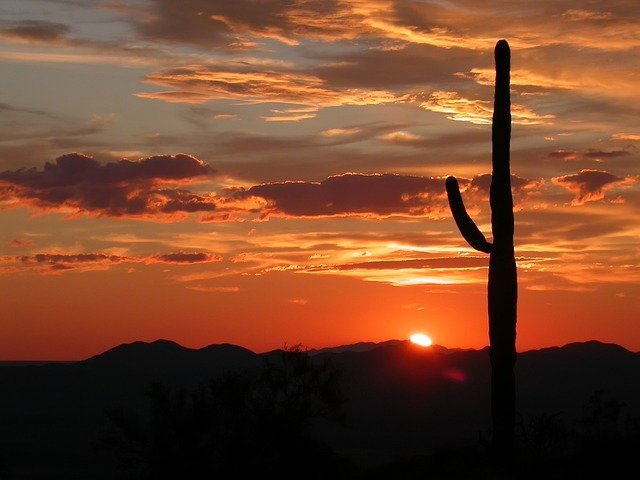
Arizona is a boondocker’s paradise, and the Bureau of Land Management (BLM) lands are at the heart of this experience. BLM lands are public lands managed by the federal government, and they offer vast expanses of open space where RVers can camp for free for up to 14 days. One of the most popular areas for boondocking in Arizona is the Sonoran Desert, where you can find spots near Quartzsite, a well-known gathering place for RV enthusiasts. The desert landscape is dotted with saguaro cacti, and the sunsets are nothing short of spectacular. Another great spot is the area around Lake Havasu, where you can enjoy water activities during the day and stargaze at night.
Best Time to Visit: October to April, when temperatures are milder.
Activities: Hiking, off-roading, bird watching, and stargazing.
Special Considerations: Bring plenty of water and sun protection, as the desert can be extremely hot and dry.
2. Anza-Borrego Desert State Park, California

Anza-Borrego Desert State Park is California’s largest state park and offers some of the best boondocking opportunities in the state. The park is located in the Colorado Desert and features a diverse landscape of badlands, palm oases, and slot canyons. There are several primitive camping areas within the park where you can park your RV and enjoy the solitude of the desert. The park is also a designated Dark Sky Community, making it an excellent spot for stargazing. In the spring, the desert comes alive with wildflowers, creating a stunning contrast against the rugged terrain.
Best Time to Visit: November to March, when temperatures are cooler.
Activities: Hiking, photography, wildlife viewing, and stargazing.
Special Considerations: Be prepared for extreme temperature fluctuations between day and night.
3. Valley of the Gods, Utah
Valley of the Gods is a hidden gem in southeastern Utah, offering a remote and otherworldly boondocking experience. This area is often compared to Monument Valley, but without the crowds. The valley is characterized by towering sandstone formations, mesas, and buttes that rise dramatically from the desert floor. There are no designated campsites, so you can choose your own spot and enjoy the solitude. The area is also rich in Native American history, and you can explore ancient ruins and petroglyphs. The night skies here are incredibly dark, making it a perfect spot for astrophotography.
Best Time to Visit: Spring and fall, when temperatures are moderate.
Activities: Scenic drives, hiking, photography, and exploring ancient ruins.
Special Considerations: The roads can be rough, so a high-clearance vehicle is recommended.
4. Big Bend National Park, Texas
Big Bend National Park is one of the most remote and least-visited national parks in the United States, making it an ideal destination for boondocking. The park is located in West Texas along the Rio Grande River and offers a diverse landscape of desert, mountains, and river canyons. There are several primitive camping areas within the park where you can park your RV and enjoy the solitude. The park is also a designated Dark Sky Park, offering some of the best stargazing opportunities in the country. During the day, you can explore the park’s numerous hiking trails, soak in the hot springs, or take a scenic drive along the Ross Maxwell Scenic Drive.
Best Time to Visit: October to April, when temperatures are cooler.
Activities: Hiking, bird watching, river rafting, and stargazing.
Special Considerations: The park is remote, so ensure you have enough supplies and fuel.
5. Sawtooth National Forest, Idaho
Sawtooth National Forest in central Idaho is a boondocker’s dream, offering a mix of alpine lakes, rugged mountains, and dense forests. The forest is home to the Sawtooth Mountains, which are often compared to the Swiss Alps for their dramatic peaks and pristine beauty. There are numerous dispersed camping areas throughout the forest where you can park your RV and enjoy the solitude. The area is also popular for outdoor activities such as hiking, fishing, and kayaking. In the fall, the forest comes alive with vibrant colors, making it a perfect spot for leaf-peeping.
Best Time to Visit: June to September, when the weather is warm and the roads are accessible.
Activities: Hiking, fishing, kayaking, and wildlife viewing.
Special Considerations: Be prepared for variable weather conditions, especially at higher elevations.
6. Ozark National Forest, Arkansas
Ozark National Forest in northern Arkansas is a hidden gem for boondocking, offering a mix of rolling hills, dense forests, and crystal-clear streams. The forest is home to numerous primitive camping areas where you can park your RV and enjoy the solitude. One of the most popular spots is the area around the Mulberry River, which is known for its excellent kayaking and fishing opportunities. The forest is also home to several scenic drives, including the Pig Trail Scenic Byway, which offers stunning views of the Ozark Mountains. In the spring, the forest comes alive with wildflowers, creating a stunning contrast against the rugged terrain.
Best Time to Visit: Spring and fall, when temperatures are mild and the foliage is at its peak.
Activities: Hiking, fishing, kayaking, and scenic drives.
Special Considerations: Be aware of local wildlife, including black bears.
7. White Mountain National Forest, New Hampshire
White Mountain National Forest in New Hampshire is a boondocker’s paradise, offering a mix of rugged mountains, dense forests, and crystal-clear streams. The forest is home to numerous primitive camping areas where you can park your RV and enjoy the solitude. One of the most popular spots is the area around the Kancamagus Highway, which offers stunning views of the White Mountains. The forest is also home to several scenic drives, including the Mount Washington Auto Road, which takes you to the summit of Mount Washington, the highest peak in the Northeast. In the fall, the forest comes alive with vibrant colors, making it a perfect spot for leaf-peeping.
Best Time to Visit: Late spring to early fall, with peak foliage in October.
Activities: Hiking, scenic drives, and wildlife viewing.
Special Considerations: Be prepared for cooler temperatures, especially at higher elevations.
8. Olympic National Forest, Washington
Olympic National Forest in western Washington is a boondocker’s dream, offering a mix of rugged mountains, dense forests, and crystal-clear streams. The forest is home to numerous primitive camping areas where you can park your RV and enjoy the solitude. One of the most popular spots is the area around Lake Quinault, which is known for its excellent kayaking and fishing opportunities. The forest is also home to several scenic drives, including the Hurricane Ridge Road, which offers stunning views of the Olympic Mountains. In the fall, the forest comes alive with vibrant colors, making it a perfect spot for leaf-peeping.
Best Time to Visit: May to September, when the weather is mild and the roads are accessible.
Activities: Hiking, fishing, kayaking, and scenic drives.
Special Considerations: Be prepared for rain, as the area is known for its wet climate.
9. Coconino National Forest, Arizona
Coconino National Forest in northern Arizona is a boondocker’s paradise, offering a mix of rugged mountains, dense forests, and crystal-clear streams. The forest is home to numerous primitive camping areas where you can park your RV and enjoy the solitude. One of the most popular spots is the area around Sedona, which is known for its stunning red rock formations and excellent hiking opportunities. The forest is also home to several scenic drives, including the Oak Creek Canyon Scenic Drive, which offers stunning views of the canyon. In the fall, the forest comes alive with vibrant colors, making it a perfect spot for leaf-peeping.
Best Time to Visit: Spring and fall, when temperatures are mild.
Activities: Hiking, photography, and scenic drives.
Special Considerations: Be prepared for crowds in popular areas like Sedona.
10. Gila National Forest, New Mexico
Gila National Forest in southwestern New Mexico is a hidden gem for boondocking, offering a mix of rugged mountains, dense forests, and crystal-clear streams. The forest is home to numerous primitive camping areas where you can park your RV and enjoy the solitude. One of the most popular spots is the area around the Gila Cliff Dwellings, which are ancient ruins that offer a glimpse into the lives of the Mogollon people who lived here over 700 years ago. The forest is also home to several scenic drives, including the Trail of the Mountain Spirits Scenic Byway, which offers stunning views of the Gila Wilderness. In the fall, the forest comes alive with vibrant colors, making it a perfect spot for leaf-peeping.
Best Time to Visit: Spring and fall, when temperatures are mild.
Activities: Hiking, exploring ancient ruins, and scenic drives.
Special Considerations: The area is remote, so ensure you have enough supplies and fuel.
Tips for Successful RV Boondocking
Boondocking can be an incredibly rewarding experience, but it does require some preparation and planning. Here are a few tips to help you make the most of your boondocking adventure:
- Conserve Water and Power: Since you won’t have access to hookups, it’s important to conserve water and power. Use water sparingly, and consider investing in solar panels or a generator to keep your batteries charged.
- Pack Light: Space is limited in an RV, so pack only the essentials. Make sure you have enough food, water, and supplies for your entire trip.
- Leave No Trace: Boondocking often takes place in remote and pristine locations, so it’s important to leave no trace. Pack out all trash, and be mindful of your impact on the environment.
- Be Prepared for Emergencies: Boondocking often takes place in remote areas, so it’s important to be prepared for emergencies. Make sure you have a first aid kit, a spare tire, and a way to communicate in case of an emergency.
- Respect Wildlife: Boondocking often takes place in areas with abundant wildlife, so it’s important to respect the animals and their habitat. Keep a safe distance, and never feed the wildlife.
Conclusion
RV boondocking offers a unique opportunity to explore some of the most beautiful and remote locations in the United States. From the deserts of Arizona to the mountains of New Hampshire, there are countless places where you can park your RV and enjoy the solitude of nature. Whether you’re a seasoned boondocker or new to the experience, these top 10 spots offer something for everyone. So pack up your RV, hit the open road, and discover the beauty of boondocking in the U.S.